
Isolation and Self-Reliance
Where the Crawdads SingKya’s solitude protects her from immediate harm while deepening her longing for connection and shaping how she responds to love and loss.
increasing Bearing strength in each event
 decreasing
Bearing strength in each eventdecreasingAlone in the Shack
Absence Made Concrete
Empty Rooms
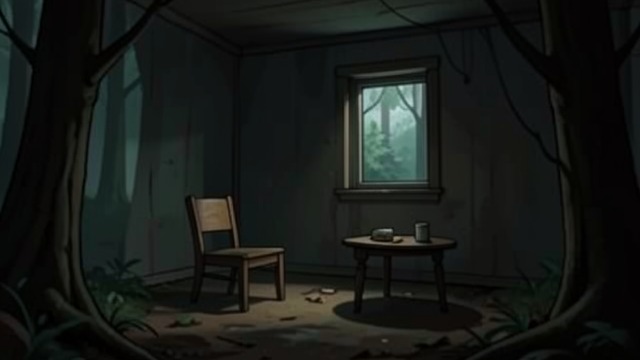
After her siblings leave, Kya cooks and sleeps alone in a house once filled with family. She tries to maintain it in case Ma returns.
Independence Under Pressure
Self-reliance begins as necessity rather than choice. Kya learns to do adult tasks while remaining a child without dependable protection.
Belonging with the Gulls
Companionship Without Speech
Feeding the Birds
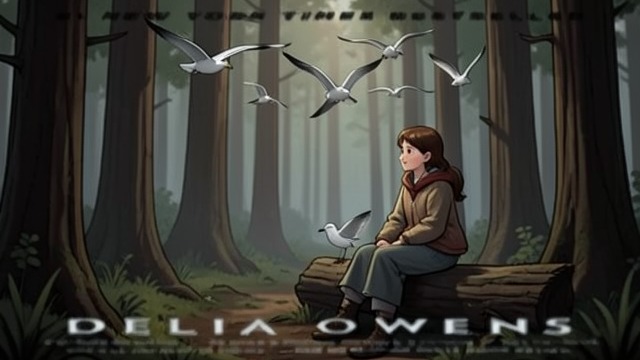
Kya brings grits and leftovers to the gulls. Their presence lets her sit among living creatures without risking ridicule or abandonment.
A Partial Shelter
The birds cannot replace a human family, but their repeated return offers a rhythm she can trust. Kya’s solitude becomes bearable without becoming less real.
The Loss of Tate

A Promise Breaks
Waiting Through the Day
Kya waits for Tate after he promises to come home. Each passing hour recalls the earlier departures of Ma, her siblings, and Jake.
A Protective Vow
She decides never to trust or love anyone again. The vow protects her from hope but also intensifies the loneliness it is meant to contain.
Love at a Distance
Hiding in Familiar Places
Watching from Cover
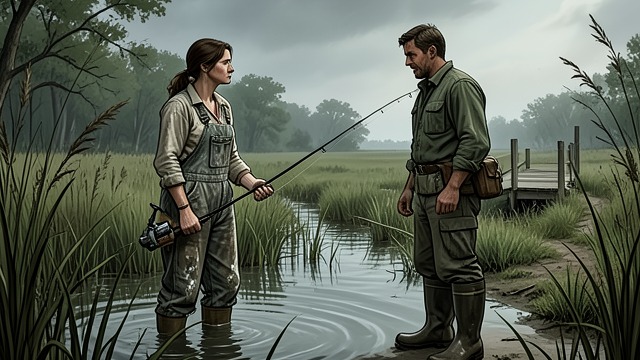
Kya watches Tate in the marsh and later avoids him even after he apologizes. Distance allows her to preserve the feeling of love without exposing herself to another departure.
The Cost of Protection
Her retreat keeps her safe from immediate rejection but limits the possibility of repair. She learns to treat emotional closeness as a danger that must be managed.
A Different Kind of Loss
Grief Without Abandonment
Jumpin’s Death
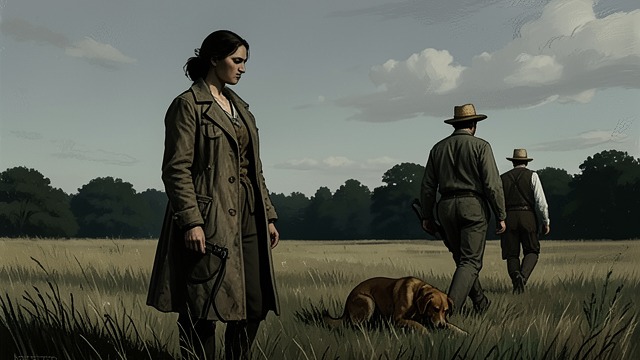
Kya mourns Jumpin’ and recognizes that death differs from being deliberately left. The distinction allows grief without the same self-protective anger.
Human Connection Remains Possible
She builds a life with Tate and reconnects with Jodie, without becoming socially outgoing. Her story allows connection to coexist with an enduring need for solitude.
Late 1952
1952–1956
July 1961
1965–1969
Later years
